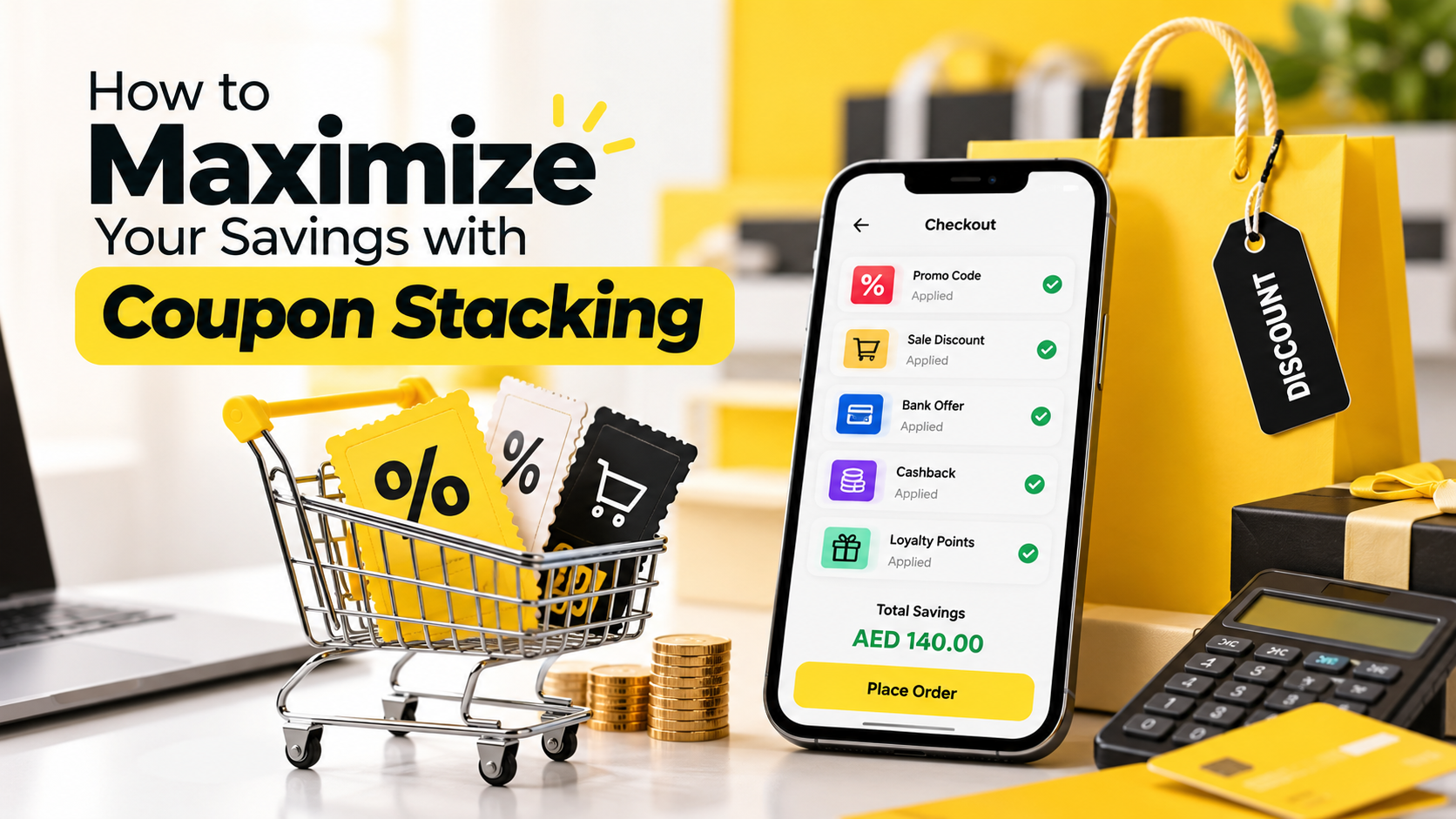
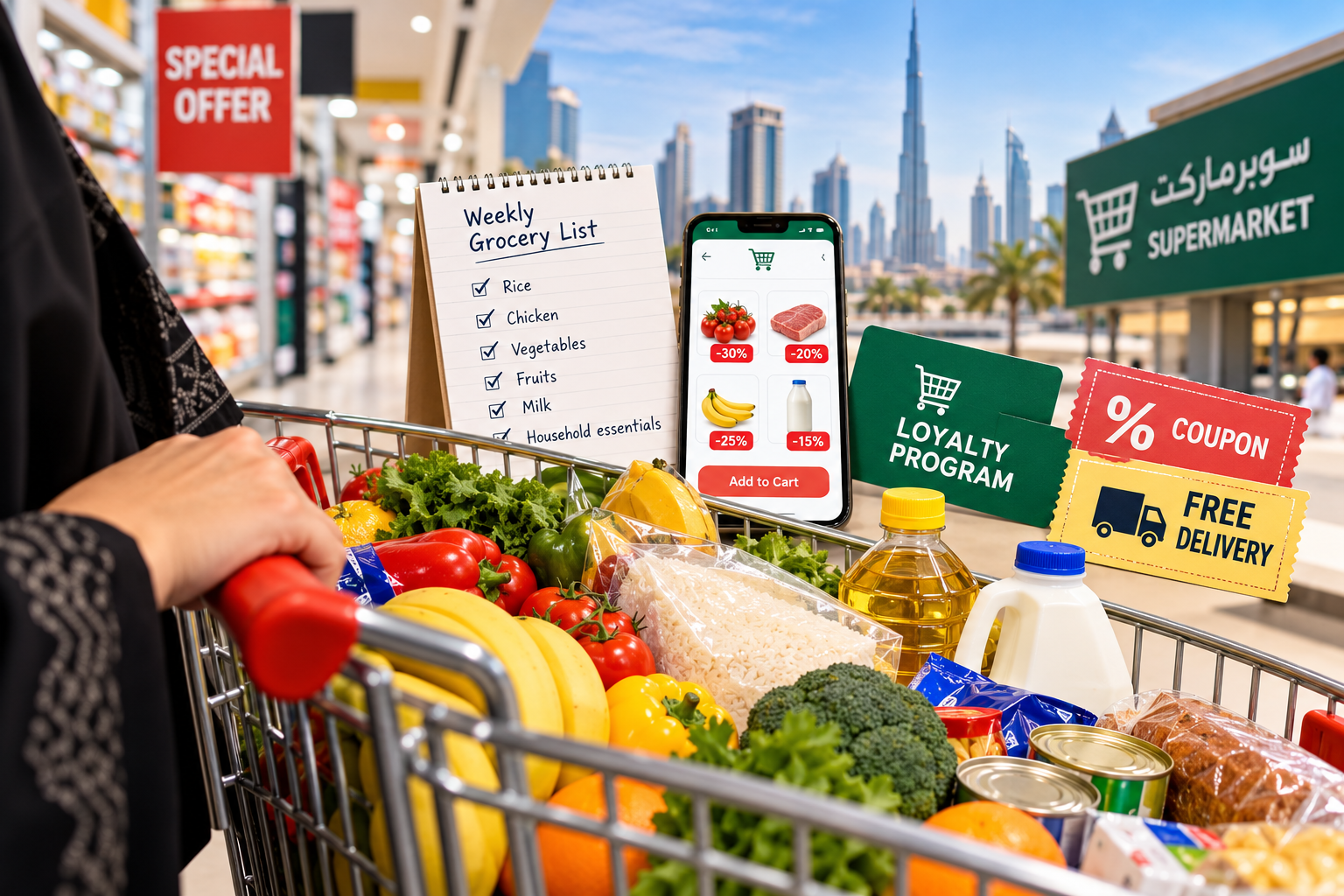
Grocery shopping in the Gulf can become expensive, especially for families balancing everyday essentials, imported food products, and household expenses. Whether you shop in Dubai, Riyadh, Doha, Kuwait City, Manama, or Muscat, a few smart shopping habits can help you stretch your budget without compromising on quality.
From comparing supermarket promotions to using grocery apps and planning purchases around seasonal offers, there are plenty of ways to reduce your weekly spending.
The key is to focus on what your household actually needs, compare prices before purchasing, and take advantage of discounts without falling into the trap of unnecessary spending.
Here are 10 practical ways to save money on groceries across the Gulf region.
1. Compare Prices at Different Supermarkets
The Gulf has a wide range of grocery retailers, and prices can vary depending on the store, product, and current promotion.
For example, shoppers in the UAE might compare offers at Carrefour, Lulu Hypermarket, and Nesto. In Saudi Arabia, shoppers can compare prices at major supermarket chains and neighborhood grocery stores to find better deals on everyday essentials.
Before buying rice, cooking oil, milk, detergents, or other frequently used products, compare prices across available retailers.
You may discover that one supermarket offers better prices on fresh produce while another has more attractive promotions on packaged foods and household supplies.
Money-saving tip: Check weekly promotional leaflets and supermarket apps before shopping. Compare the final price and package size rather than relying on the advertised discount alone.
2. Use Grocery Apps and Digital Coupons
Many Gulf supermarkets and grocery delivery services offer digital discounts, member benefits, and promotional vouchers through their mobile apps.
Depending on your country, you can explore services such as Carrefour, Lulu, Talabat, and regional grocery delivery platforms to discover available offers.
These promotions may include discounts on household essentials, free delivery above a qualifying order value, or special prices for app users.
Before placing an order, check whether you have an eligible coupon code or whether the retailer offers a lower price through its mobile application.
However, remember that not every promotional code provides genuine savings. Some require a minimum order value, apply only to selected products, or exclude certain categories.
Money-saving tip: Apply coupon codes before checkout, check minimum-spend requirements, and include delivery fees when comparing online and in-store prices.
3. Plan Your Shopping Around Ramadan and Eid Promotions
Ramadan and Eid are major shopping periods across the Gulf, with supermarkets frequently promoting food bundles, family essentials, and seasonal offers.
Items such as dates, rice, flour, cooking oil, beverages, and ingredients for traditional meals may feature prominently in seasonal campaigns.
These promotions can provide an opportunity to save on products you regularly use. However, buying everything during a sale does not automatically reduce your expenses. Some offers encourage shoppers to purchase more than they need.
Start by preparing a list of essential ingredients for your planned meals and identifying products with a long shelf life. Compare bundle prices with the cost of purchasing the same items individually.
You can also plan ahead for other major shopping events, including Eid promotions and White Friday sales, when retailers may offer discounts on selected grocery and household products.
Money-saving tip: Prepare a seasonal grocery budget in advance. Buy non-perishable essentials when prices are attractive, but avoid stocking up on products that may expire before you use them.
4. Buy Seasonal Produce and Local Alternatives
Imported fruits and vegetables can be expensive, depending on their origin, availability, and transportation costs. Choosing seasonal produce and comparing locally available alternatives can help reduce your grocery bill.
For example, compare the prices of tomatoes, cucumbers, eggplants, leafy greens, and other commonly used vegetables at supermarkets and local produce markets.
You can also check whether seasonal promotions make particular fruits more affordable during certain months.
Rather than purchasing the same fruits and vegetables every week, build your meals around the best-value fresh produce available. This approach can introduce variety into your diet while helping you manage expenses.
Money-saving tip: Compare prices at nearby produce markets and supermarkets before buying. Purchase only the quantities your household can consume while the produce remains fresh.
5. Compare Imported and Regional Food Brands
International brands are widely available in Gulf supermarkets, but familiar packaging does not always mean better value.
For everyday products such as rice, pasta, canned tomatoes, flour, pulses, and cleaning supplies, compare international brands with regional alternatives and supermarket private labels.
Check the ingredient list, quality, package size, and price per kilogram or liter before deciding.
For example, if you regularly purchase rice or cooking oil, compare several brands with similar product specifications. A less expensive alternative may provide comparable value without changing your usual meals significantly.
You do not need to replace every premium product. Instead, identify the items where switching brands makes the biggest difference to your budget.
Money-saving tip: Try affordable alternatives for frequently purchased staple products first. Keep premium brands for items where you genuinely notice a difference in quality.
6. Make the Most of Supermarket Loyalty Programs
Supermarket loyalty programs can provide member-only prices, points, personalized offers, and occasional discounts.
Depending on where you shop, investigate available programs from retailers such as Carrefour and Lulu, along with other supermarket chains operating in your country.
These benefits can be particularly useful for households that purchase groceries from the same retailers regularly.
However, loyalty points and rewards are valuable only when they support your normal shopping habits. Spending extra money just to qualify for a reward can eliminate the benefit.
Review the program's conditions to understand how points are earned, whether they expire, and which products qualify for discounts.
Money-saving tip: Use loyalty benefits on products you already buy. Compare member prices with other retailers and avoid making unnecessary purchases just to accumulate points.
7. Buy Household Essentials in Bulk
Families across the Gulf often purchase staple foods and household products in larger quantities to reduce shopping frequency and potentially lower unit costs.
Rice, lentils, pasta, flour, tissues, laundry detergent, and other frequently used products may be suitable for bulk purchasing.
Warehouse retailers and large-format supermarkets can be worth comparing when you need substantial quantities.
However, bulk purchases are not always cheaper, and storage space can be limited in apartments. Buying a large package that remains unused or deteriorates can cost more in the long run.
Compare the unit price of different package sizes and consider how quickly your household consumes each product.
Money-saving tip: Focus on non-perishable essentials and products you use regularly. Purchase larger packages only when they offer genuine savings and can be stored safely.
8. Avoid Impulse Buying During Major Sale Events
Gulf shoppers encounter promotions throughout the year, including Ramadan campaigns, Eid offers, White Friday, and other retailer-specific sale events.
These occasions can provide genuine savings, but they can also encourage unnecessary purchases.
A discounted snack, beverage, or household product is not a bargain if it was never on your shopping list.
Impulse buying is especially easy when shopping online, where suggested products, limited-time offers, and free-delivery thresholds can encourage you to add extra items to your basket.
Before completing a purchase, review your order and consider whether every item is necessary.
Money-saving tip: Set a grocery budget, shop with a list, and separate essential purchases from optional treats. Do not add unnecessary products simply to qualify for a discount or free delivery.
9. Reduce Food Waste in Hot Weather
In the Gulf's hot climate, proper food storage is especially important. Fresh produce, dairy products, meat, and other perishables need appropriate storage and careful handling.
Buying too much fresh food can lead to waste, particularly when shopping for a small household or planning meals for only a few days.
Plan portions carefully, refrigerate or freeze suitable foods promptly, and follow product storage instructions. When returning from grocery shopping, avoid leaving temperature-sensitive products in a hot vehicle for extended periods.
You can also turn suitable leftovers into new meals rather than purchasing additional ingredients.
For example, leftover vegetables can be used in soups, rice dishes, omelets, or wraps. Properly stored cooked chicken may also be incorporated into sandwiches or salads.
Money-saving tip: Shop for fresh produce in quantities your household can consume. Use older suitable ingredients first and follow food safety guidance when storing or reheating leftovers.
10. Compare Grocery Delivery Offers With In-Store Prices
Online grocery shopping can save time and make price comparisons easier, but the total cost can differ from the advertised price of individual products.
Depending on your location, grocery delivery services may offer promotional codes, discounted delivery, or app-exclusive deals.
Before ordering, compare the same basket across different available services. Check for service fees, delivery charges, minimum-order requirements, and differences between online and in-store prices.
For shoppers who regularly purchase groceries online, keeping a record of typical prices for essential products can help identify genuine promotions.
It is also worth considering whether a quick supermarket visit would be cheaper than paying delivery and service fees.
Money-saving tip: Compare the final checkout total rather than focusing only on product discounts. Combine purchases into a planned order when doing so genuinely reduces fees, but avoid adding unnecessary products to reach a free-delivery threshold.
Monthly Grocery Budget Example for a Gulf Household
Creating a monthly grocery budget can help you control spending, plan meals, and avoid unnecessary purchases. For shoppers in the Gulf, the ideal budget depends on the country, household size, dietary preferences, and how often the family eats at home.
To make these strategies more practical, here is an illustrative monthly grocery budget for a family of four living in the UAE.
Sample Monthly Grocery Budget
Grocery category | Monthly budget (AED) |
|---|---|
Rice, flour, pasta, and other staples | 180 |
Meat, chicken, fish, and eggs | 400 |
Milk, cheese, yogurt, and other dairy | 220 |
Fruits and vegetables | 300 |
Cooking oil, spices, and pantry essentials | 120 |
Bread, snacks, and breakfast items | 180 |
Beverages and other food items | 100 |
Household essentials | 150 |
Total monthly budget | 1,650 AED |
Note: These figures are illustrative planning estimates, not verified current supermarket prices. Actual expenses will vary by emirate, retailer, household needs, and product choices.
How to Save More From This Budget
You can make this budget go further by following a few simple strategies:
Plan weekly meals: Allocate approximately AED 380 per week for groceries and household essentials, adjusting for your actual monthly spending.
Compare supermarket offers: Check promotions at retailers such as Carrefour, Lulu, and Nesto before purchasing your regular essentials.
Choose seasonal produce: Buy fruits and vegetables that offer the best value that week.
Use discounts strategically: Apply eligible coupons and loyalty benefits to products you already need.
Track every purchase: Record grocery expenses weekly to identify categories where you can cut unnecessary spending.
What If You Want to Reduce Your Grocery Bill by 10%?
If your household currently spends AED 1,650 per month, reducing expenses by 10% would produce the following result.
Budget calculation | Amount |
|---|---|
Current monthly spending | AED 1,650 |
Monthly savings target (10%) | AED 165 |
New monthly grocery budget | AED 1,485 |
Potential annual savings | AED 1,980 |
The calculation assumes you maintain the 10% reduction for 12 months. Your actual savings will depend on your shopping habits and household expenses.
The goal is to reduce waste, compare prices, and make better purchasing decisions rather than sacrificing nutrition or essential products.
Start by tracking your current grocery expenses for one month. Then set a realistic savings target and adjust your shopping habits gradually. Even small monthly savings can add up to a meaningful amount over a year.
Final Thoughts
Saving money on groceries in the Gulf is about shopping strategically, not simply choosing the cheapest products.
Compare prices across supermarkets, use digital coupons, take advantage of relevant Ramadan and Eid offers, and explore loyalty programs that reward your normal spending habits. At the same time, pay attention to package sizes, food storage, delivery fees, and the amount your household actually consumes.
Start with two simple habits: prepare a shopping list before every trip and compare the final prices of your most frequently purchased essentials.
You can also establish a monthly grocery budget and review your spending at the end of each month. This helps you identify which strategies work best for your household and where further savings may be possible.
With consistent planning and smarter purchasing decisions, you can reduce unnecessary grocery expenses while keeping everyday meals convenient, varied, and enjoyable.